AI Production Guides7 min read
We Made Launch Films Without a Shoot, Only Generative AI. Here's What We Learned.
AI, a real shoot or CGI? A practical guide for D2C brands planning launch films, teasers and ads in 2026, with real launches from GoBoult and Taali.

Viraj Auti
Founder, EditGency ·
Video isn't optional for a launch anymore. 91% of businesses use it as a marketing tool, and 89% of consumers say video quality affects how much they trust a brand (Wyzowl, 2026).
How that video gets made is changing fast. 63% of video marketers have now used AI video tools, up from 51% a year earlier (Wyzowl). And 86% of ad buyers use or plan to use generative AI to build video ad creative (IAB, 2025).
This guide maps the three options, shows what an AI launch really involves, and ends with the playbook we run. It comes from launches we've made for GoBoult and Taali, and one we're making for Pilgrim right now.
Three ways to make launch media in 2026
A real shoot
You need a location, a cast, a crew and a day that can't move, then an editor, a colourist and a sound engineer. It's unbeatable when real people and real texture are the point. The catch: a missed shot means another shoot day, and big ideas (a car you can't book, a world that doesn't exist) get expensive fast.
CGI and 3D
You need a modeller, a texture artist, a lighting artist and render time, then the same edit and sound. It gives you a product that's accurate to the millimetre. The catch: it's slow, every change goes back into the render queue, and people or rich worlds cost far more to build.
AI production
One team takes it from idea to final mix: the concept, style frames, every scene generated from your real product photos, then edit, colour and sound. You see the film as stills before anything moves, a change costs a new generation instead of a reshoot, and impossible shots become routine. The catch: it needs a team that knows how to keep the product accurate, and some things (on-screen text, app screens) still have to be finished in post.
Who you need
- Real shoot
- Crew, cast, location, editor, colourist, sound
- CGI / 3D
- Modeller, lighting artist, render time, editor, sound
- AI production
- One team, idea to final mix
When you see it
- Real shoot
- After the shoot day
- CGI / 3D
- After the render
- AI production
- As style frames, before production
Cost of a change
- Real shoot
- Another shoot day
- CGI / 3D
- Another render
- AI production
- A new generation
Impossible shots
- Real shoot
- Off the table or very expensive
- CGI / 3D
- Possible, slow
- AI production
- Routine
Best for
- Real shoot
- Founders, testimonials, real people
- CGI / 3D
- Engineering-exact product renders
- AI production
- Launch films, teasers, ads at volume
What an AI launch really looks like
It isn't a prompt and a button. Here's what goes into one, from our own launches:
- 1/Every product shot starts from your real product photos and is approved as a still before it moves.
- 2/Style frames lock the look of every key scene before production starts.
- 3/Not every generation is usable. We re-roll until it's right, which is why you see stills first.
- 4/Real screens and text are composited in post. On GoBoult's launch, AI drew the phone screen blank or made it up, so we tracked a real Google Fast Pair screen recording in.
- 5/The edit, colour and sound are finished to an ad-ready standard.
AI makes the shots. The team makes the film.
Proof: launches we've made with AI
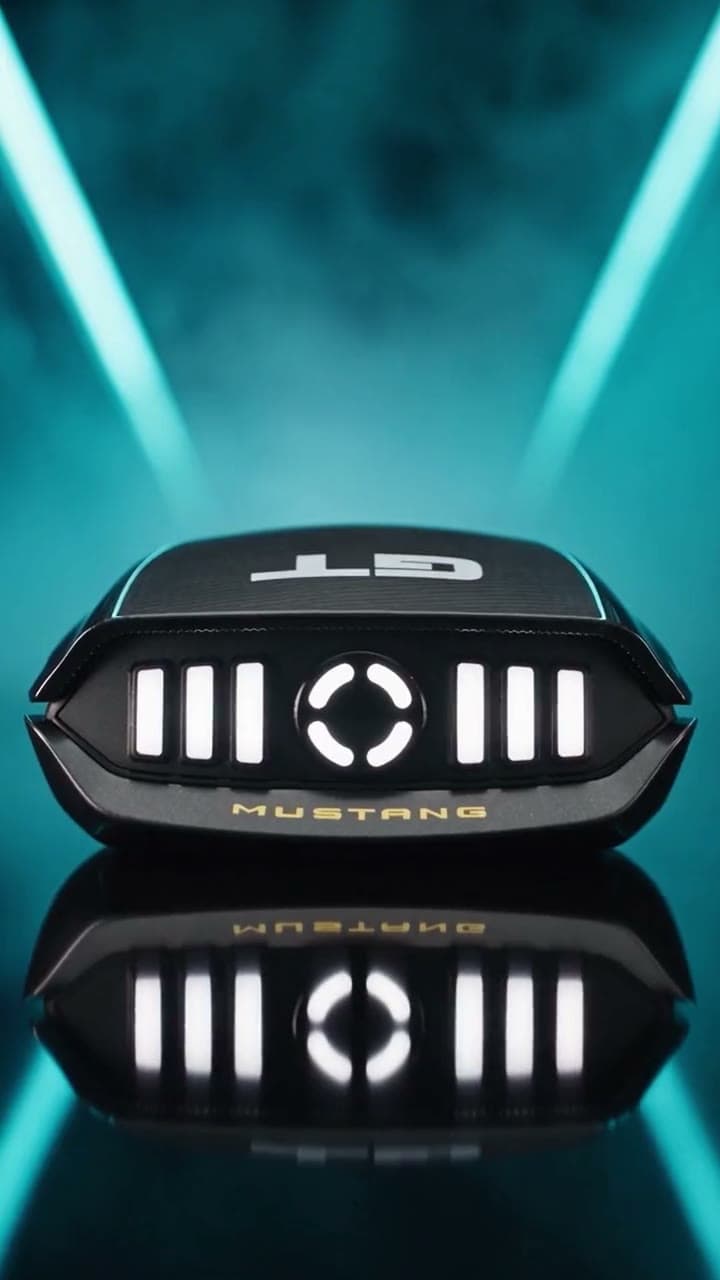
GoBoult: a Mustang launch without a Mustang
- 1/Zero Mustangs hired.
- 2/Zero shoot crew.
- 3/Zero 3D or CGI team.
- 4/Two launch films, live within 38 days of the first storyboard.
- 5/GoBoult then started running the product film as a paid ad on Facebook and Instagram.
The full story is in our GoBoult Mustang Turbo GT breakdown.
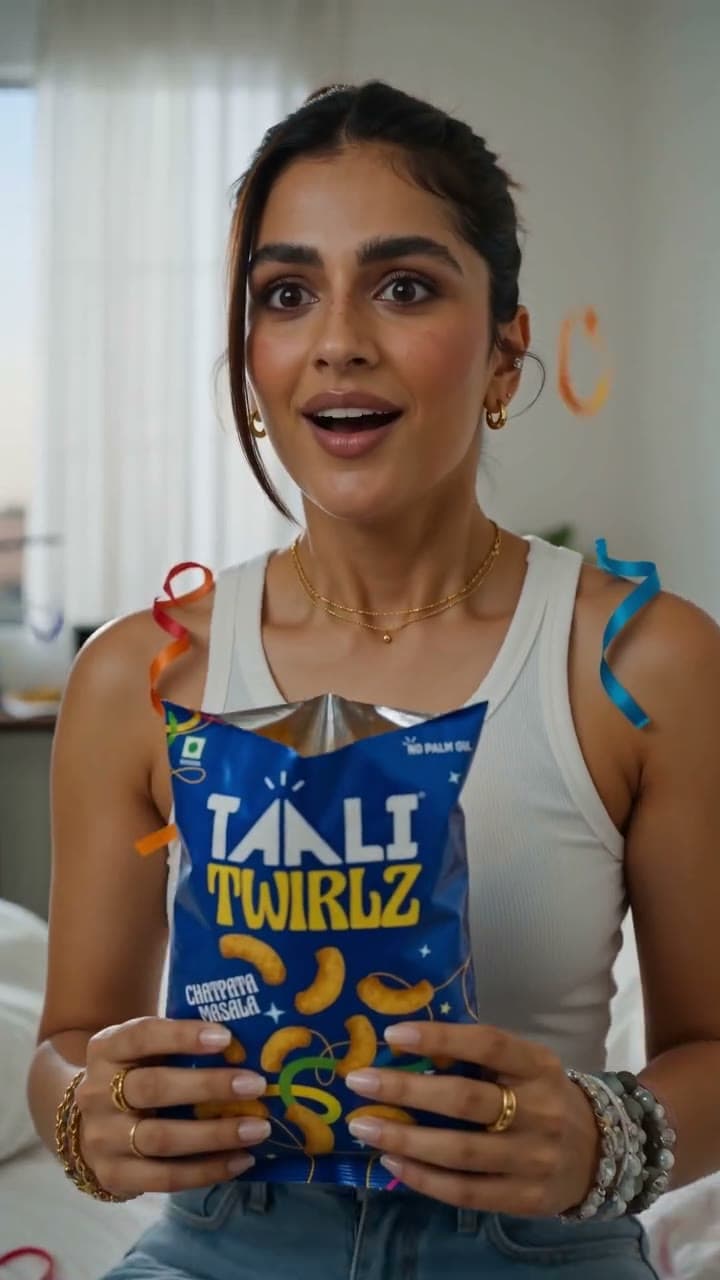
Taali Twirlz: 480K+ views on the launch ad
No shoot, storyboard to final film in 10 days, and 480K+ views on Instagram. Here's how we made it.
Pilgrim: in production now
We're making Pilgrim's launch films right now. We'll share that story once they're live.
How to choose for your launch
Answer four questions and the choice usually makes itself.
- 1/How close is the launch date? Weeks away points to AI. Months away with a big budget, any route works.
- 2/How many assets do you need? Teasers, a launch film, product films, ads and post-launch content add up. AI scales without new shoot days.
- 3/Does the idea need shots you can't get? A product in an impossible world, a car you can't book: AI.
- 4/Is a real person the story? A founder note or a customer testimonial: shoot it.
Red flags when hiring an AI production partner
- 1/They generate your product from a text prompt instead of your real photos.
- 2/There are no style frames before production.
- 3/There's no plan for reformats: 9:16, 4:5, 1:1 and 16:9.
- 4/They can't show a launch they've actually shipped.
- 5/They quote a price before scoping your assets.
Questions to ask before you sign
- 1/Will every product shot be built from our real product photos?
- 2/Do we approve style frames before anything moves?
- 3/How do you handle on-screen text and app screens?
- 4/What's included before launch, on launch day and after it?
- 5/How many rounds of changes do we get, and when?
- 6/How does your timeline line up with our launch date?
How EditGency runs a launch
1. Bring your product and your launch window
Tell us the product, the launch date and how long the campaign runs.
2. We map every asset
- 1/Pre-launch: teasers and trailers that build the wait.
- 2/Launch: the launch film, product films and ads.
- 3/Post-launch: social media sustenance content that keeps the launch going.
3. Scope, proposal, upfront
We scope the campaign and send a proposal with one fixed project cost. Once it's paid upfront, the timeline starts.
4. The timeline
Lock the idea
We agree the concept and script with you.
Style frames
You see the look of every key scene as stills before anything moves.
Production
We generate every scene with AI, built from your real product photos.
Output
Edit, colour and sound, finished to an ad-ready standard.
Preview
You review the cut and send your notes.
Reformatting
Every asset is cut for each platform and placement.
Post edits and handover
Final changes, then everything lands before your launch date.
Got a launch coming up? We make the media.
Viraj
Sources
- Wyzowl, Video Marketing Statistics 2026 (survey of 266 marketers and consumers, late 2025)
- IAB, 2025 Digital Video Ad Spend & Strategy report (July 2025)
FAQ
Should a D2C brand use AI, a real shoot or CGI for its product launch?+
It depends on the launch. Use a real shoot when a real person is the story, like a founder or a customer testimonial. Use CGI for engineering-exact product renders when there's time. Use AI production when the launch needs many assets, shots a shoot can't get, or a fixed date weeks away. Most D2C launches use AI for the films, teasers and ads.
Is AI cheaper than a shoot or CGI for a product launch?+
Usually, yes. With AI production there is no location, cast, crew, render farm or separate lighting artist to pay for, so the budget goes into the idea and the finish. The exact saving depends on what the launch needs, so EditGency scopes each campaign and quotes one fixed project cost.
How long does an AI launch campaign take?+
It depends on the scope. As a guide, GoBoult's two Mustang Turbo GT launch films went from first storyboard to live within 38 days, and EditGency took Taali Twirlz' launch ad from storyboard to final film in 10 days.
Will an AI launch film show our real product accurately?+
Yes, if it is built from real product photos. EditGency generates every product shot from the brand's own photos and gets the still approved before it moves. Real app screens are recorded and composited in, not drawn by AI.
What should a D2C brand look for in an AI production partner?+
Ask whether every product shot is built from your real product photos, whether you approve style frames before production, how they handle on-screen text and app screens, what's included before, during and after launch, and whether they can show a launch they've already shipped.
What content does a D2C product launch need?+
Three phases: pre-launch teasers and trailers that build the wait, the launch film, product films and ads on launch day, and post-launch social media content that sustains the campaign. EditGency scopes all three together.
Work with EditGency
Want films like these for your brand?
A 30-minute call. We look at your product and tell you what we would make and how long it takes.
Book a call