AI Production Guides6 min read
Gadget Brands: Skip the 3D Studio. AI Saves the Weeks, the Budget and the Bandwidth.
Gadget brands default to 3D and CGI for launch films and product ads: a studio, a render queue and weeks of waiting. Here's how AI, built from your real product photos, saves the time, the budget and your team's bandwidth, with a 3-week launch plan.

Viraj Auti
Founder, EditGency ·
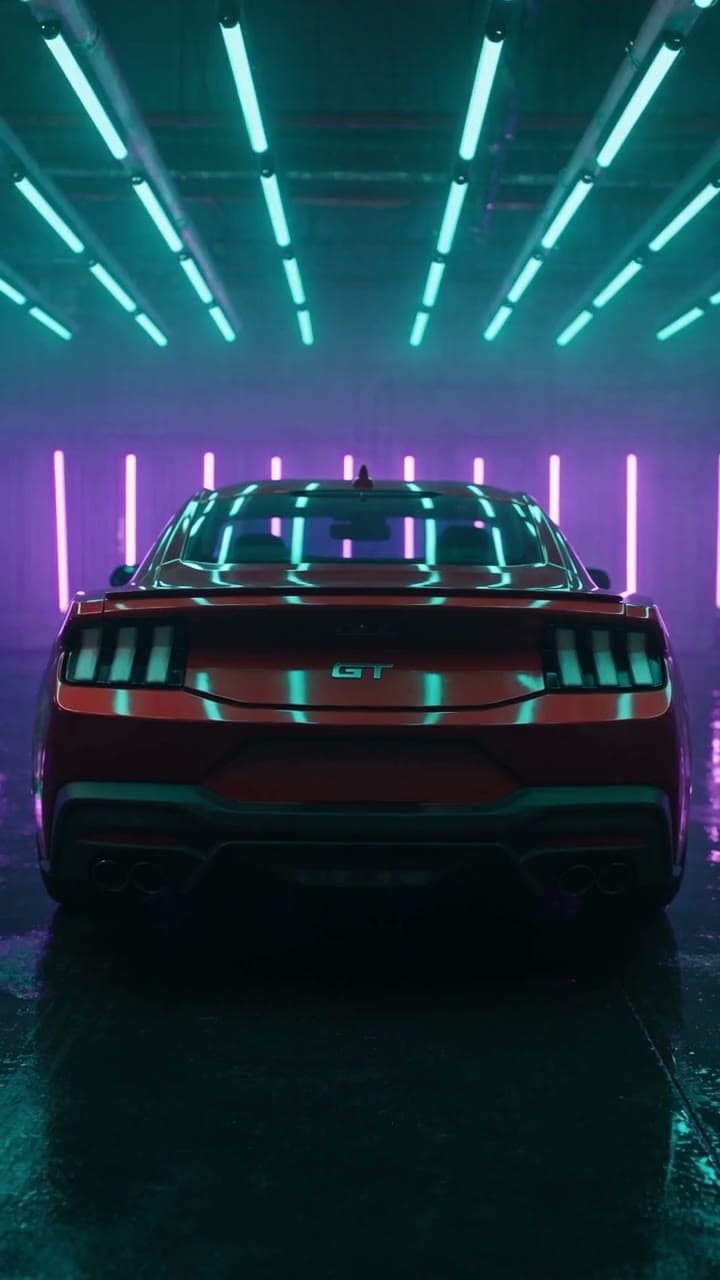
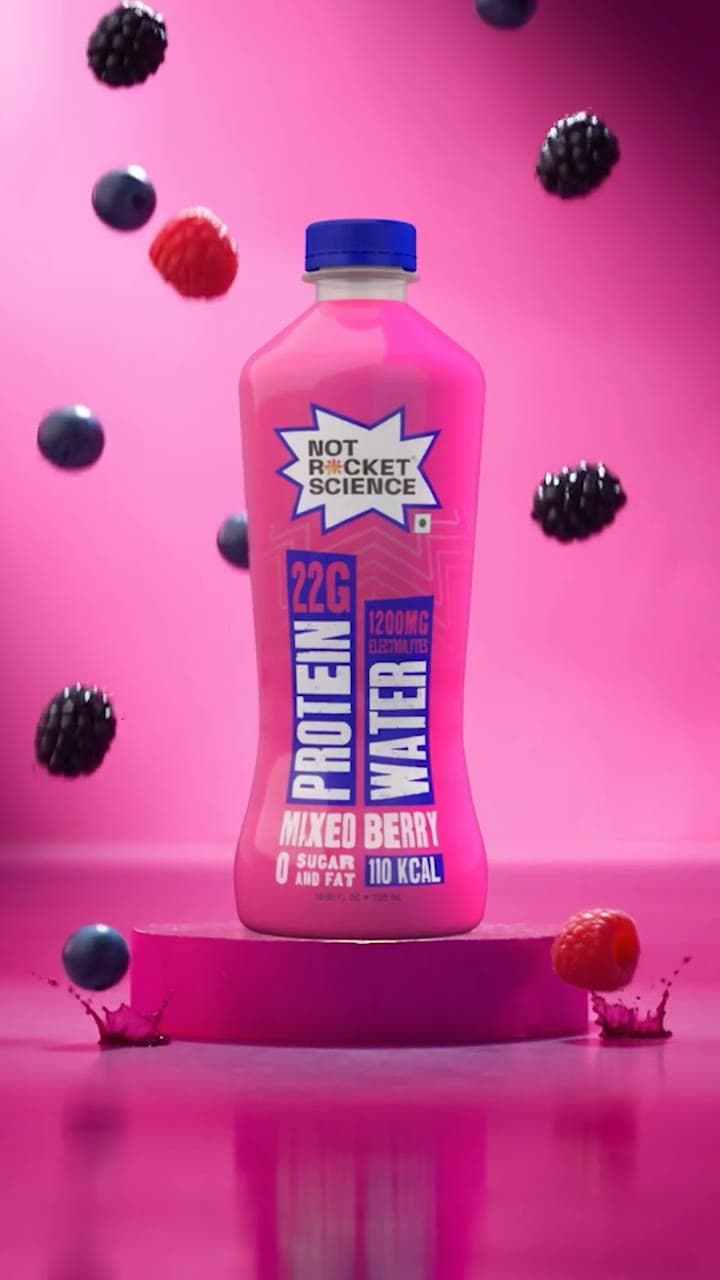
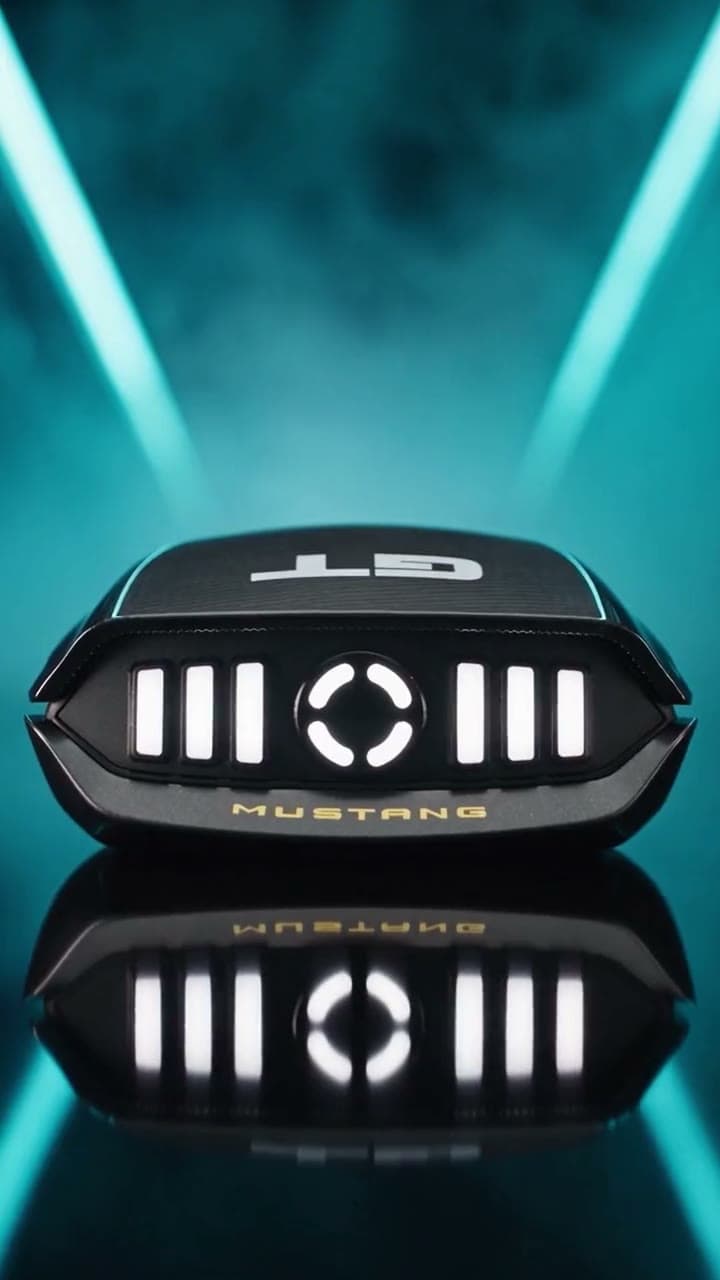
Earbuds, controllers, phones, speakers: when a gadget launches, the default is a 3D studio. We made the film above for the founder stuck in that queue. This post is the long version of those 37 seconds.
Why gadget brands default to 3D and CGI
It makes sense. A gadget is all detail: the vents, the finish, the LED ring, the logo on the case. Shooting something that small and shiny takes macro rigs and a lot of patience. A render gives you full control.
The catch is what that control costs.
- 1/Time. Modelling and animation take weeks from the brief. Then the renders queue up.
- 2/Money. A modeller, a texture artist, a lighting artist, an animator and render time, all before the edit and sound.
- 3/Bandwidth. Every change goes back into the render queue, and someone on your team chases it.
- 4/The look. After all that, it can still look like a render.
AI gives you the same detail
That detail doesn't need a 3D model anymore. AI media built from your real product photos gives you the same output: the vents, the finish, the LED ring, every colourway. So why choose the route that makes you wait weeks just to see the first frame?
Choose AI media. Save the waiting days, the budget and your team's bandwidth.
The launch checklist nobody finishes
Look at the checklist in the film. Product finalised, packaging and listing, website live, inventory in the warehouse: done. Launch film, 3D product ads, UGC videos, Meta ad creatives: not started.
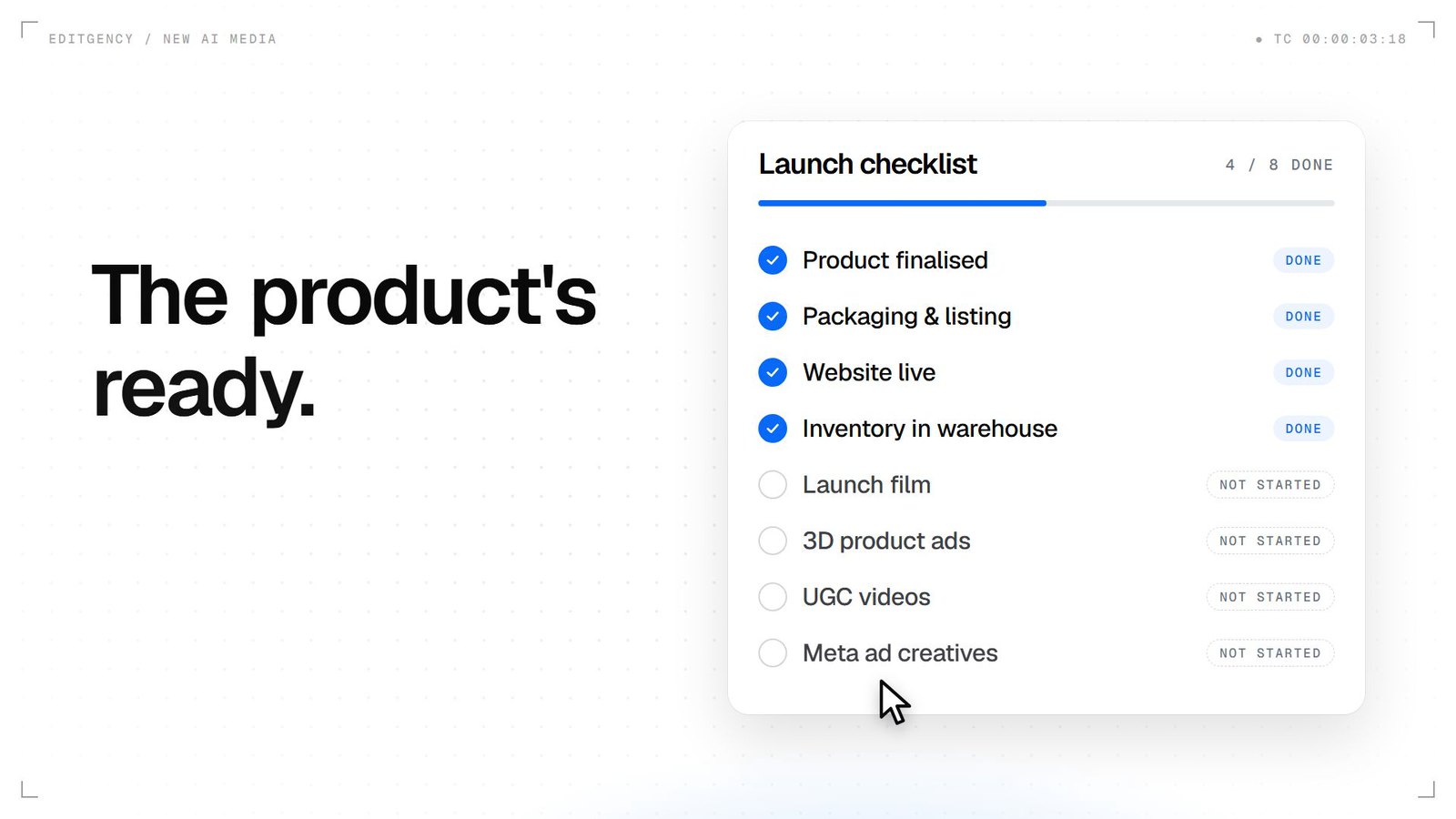
Content is always last, and for a good reason. It depends on everything above it: the final product, the final finish, the final pack. So it starts late, and then it runs into the slowest part of the launch.
Why the 3D route misses the launch date
The film plays out what happens next. The 3D studio needs 6 weeks from the brief for modelling and animation. The render farm's queue is full. One creator wants to push the shoot to next week; another sends a rate card. Each step waits for the one before it.
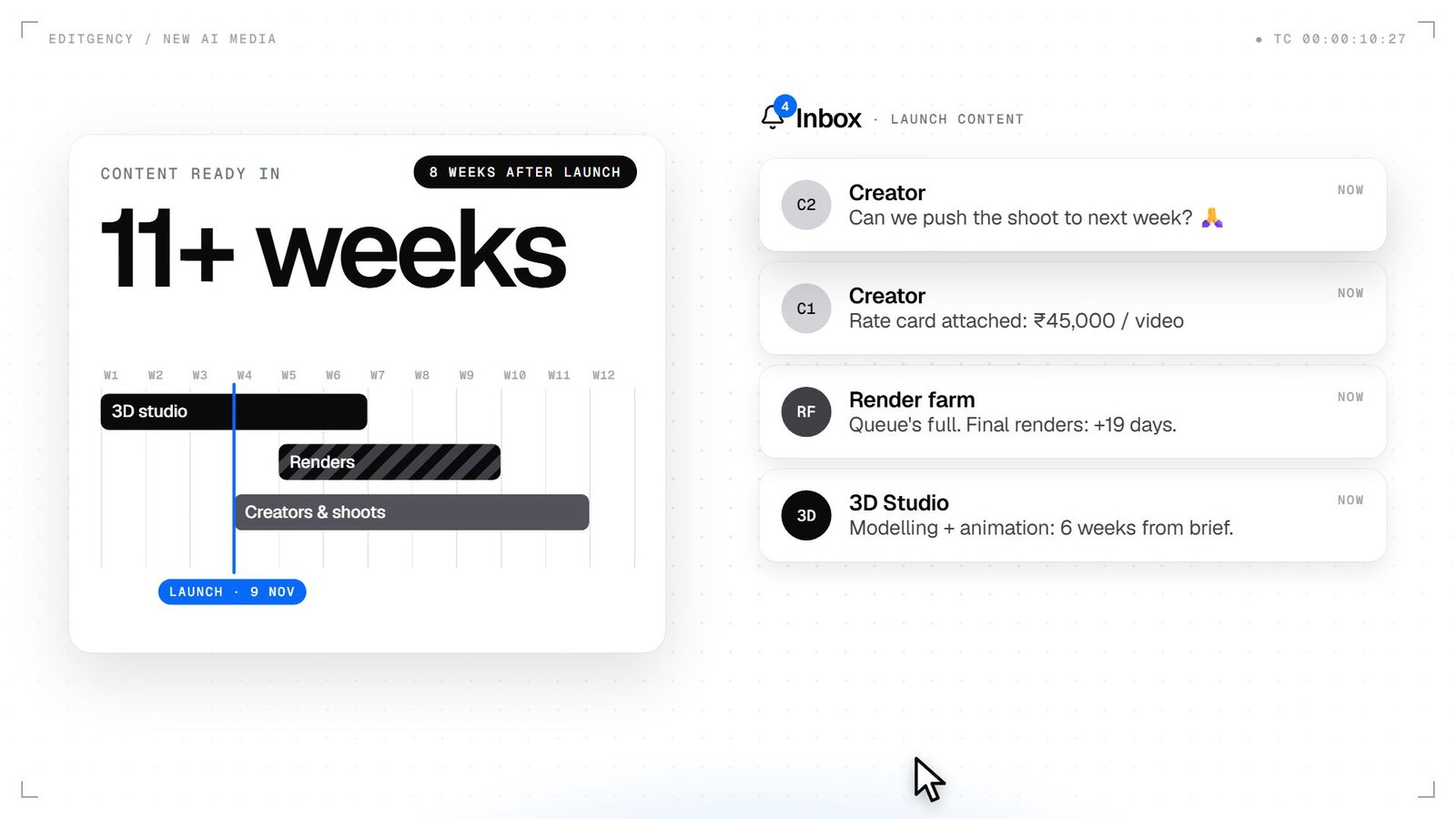
Stack them up and the launch film lands 8 weeks after the launch. The ads that should drive launch week start when launch week is long gone.
Starts when
- 3D / CGI studio
- The product is modelled
- Shoot + creators
- A date, a crew and creators line up
- AI production
- Idea, script and product photos are approved
Waits on
- 3D / CGI studio
- Animation, then the render queue
- Shoot + creators
- Schedules, quotes and reshoots
- AI production
- Your sign-off on style frames
Cost of a change
- 3D / CGI studio
- Another render
- Shoot + creators
- Another shoot day
- AI production
- A new generation
Plans back from your date?
- 3D / CGI studio
- Hard
- Shoot + creators
- Hard
- AI production
- Yes
Your launch date doesn't move. So the content has to.
What AI saves a gadget brand
Time
With 3D, the first thing you see is a render, weeks after the brief. With AI, you see every key scene as a style frame in the first 5 days, and EditGency delivers final media 10 days after the idea and script lock. You never wait on a render to find out it's wrong.
Money
No render farm, no modeller, no lighting artist, no shoot. The budget goes into the idea and the finish, priced as one fixed project cost and paid upfront.
Bandwidth
One team takes it from idea to final mix. Your job is approvals: the idea, the script, the style frames and the cut. Everything between the approvals is ours.
A new colourway is a new generation, not a new render.
A 3-week launch plan
Here's how we plan back from launch day when a brand comes to us with 21 days left.
Days 1-5
21 to 17 days out
Send the brief and your real product photos. We lock the idea and script with you, then you approve style frames: the look of every key scene, as stills.
Days 6-15
16 to 7 days out
Production. Every scene is generated from your product photos, then edited, coloured and mixed. You review the cut and send notes. Final media lands 10 days after the script locks.
Days 16-18
6 to 4 days out
Teasers go live. Ads go into review on Meta.
Days 19-21
Launch week
Launch film pinned, ads live on launch day, and the UGC-style creatives queued for the weeks after.
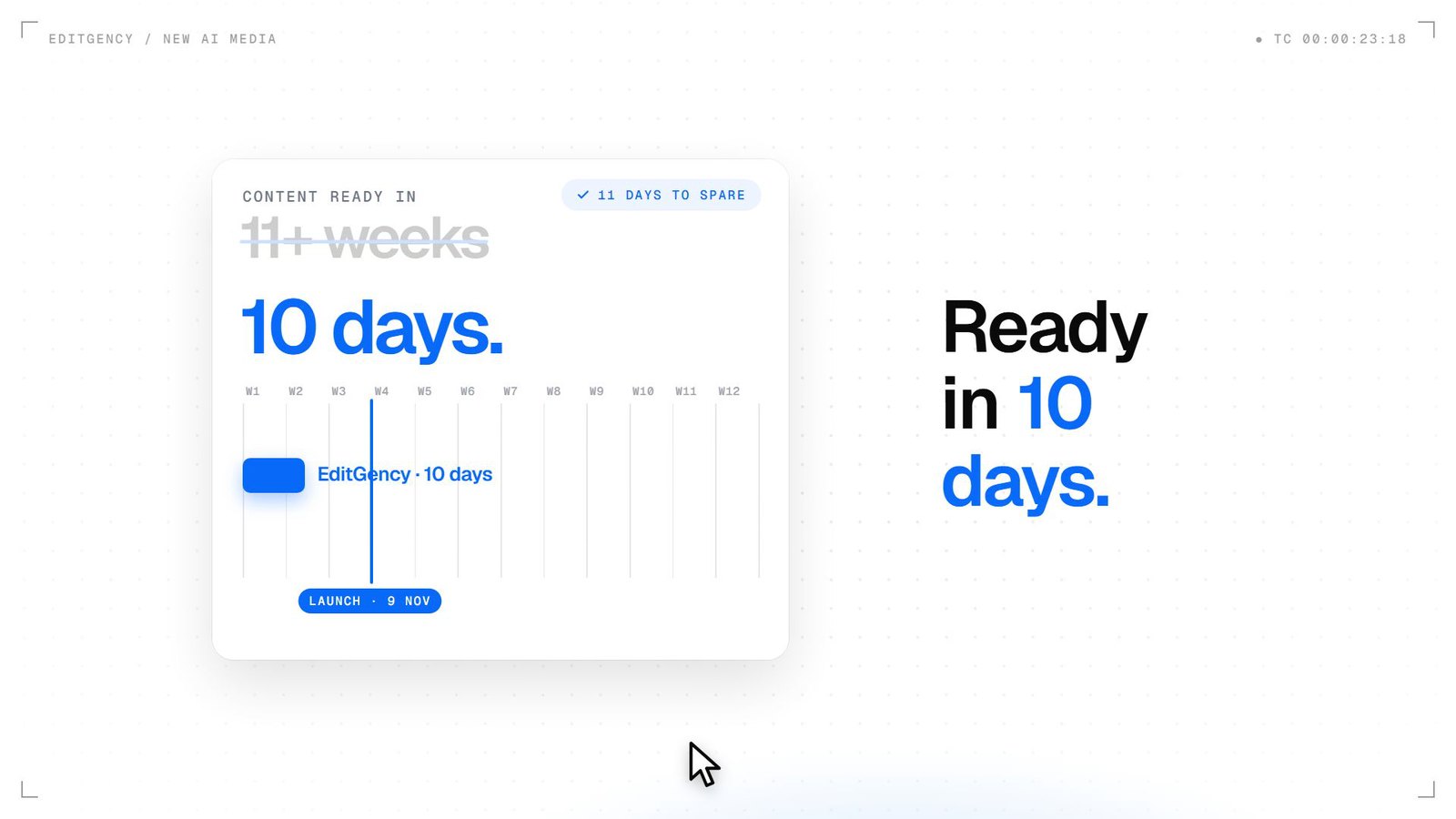
Three weeks fits a focused set of assets. If you need more, start earlier or run it in phases: launch film and ads first, sustenance content after. GoBoult's two Mustang launch films, with end slates and several rounds of notes, took 38 days from the first storyboard to live.
What "no one can tell it's AI" takes
Speed is only half of it. A gadget film that looks like AI does more damage than no film at all.
- 1/Every product shot starts from your real product photos. GoBoult's earbuds started as phone photos on a plain table, not a 3D model.
- 2/Style frames lock the look before anything moves, so there are no surprises in the first cut.
- 3/Real app screens and on-screen text are finished in post. On GoBoult's launch, we tracked a real Google Fast Pair recording onto the phone.
- 4/The edit, colour and sound are finished to an ad-ready standard.
We wrote up the full method, with red flags to watch for when you hire an AI team, in We Made Launch Films Without a Shoot.
Proof
10 days
from a locked idea and script to final media
2
GoBoult launch films, one now running as a paid ad
11M+
views on AI media we posted on our own Instagram
GoBoult × Mustang Turbo GT earbuds
Two launch films made from product photos, with no Mustang on set and no shoot crew. GoBoult now runs the product film as a paid ad on Facebook and Instagram. Here's how we made it.
ANT Esports controller
A pilot launch film for a gaming controller, fully AI-produced from product photos.
If your gadget launches in 3 weeks, do this today
- 1/Write down the date and the 4 assets you can't launch without. For most gadget launches: a launch film, 3D-style product ads, UGC-style videos and Meta ad creatives.
- 2/Photograph the product. Every angle, every colourway, LEDs on and off, on a plain background. A phone is fine.
- 3/Pick one idea. Not five. One idea, executed well, beats five half-made ones.
- 4/List every placement. 9:16 for Reels and Stories, 4:5 for the feed, 1:1 and 16:9. Plan the reformats now, not on launch eve.
- 5/Book a call. Bring the date. We'll tell you on the call what fits before it.
Got a launch coming up? We make the media.
Viraj
FAQ
Should gadget brands use AI or 3D/CGI for product launch videos?+
For most launches, AI. AI media built from real product photos gives the same product detail as 3D and CGI, and it saves the weeks of waiting for a first output, the render and 3D-team budget, and your team's bandwidth. EditGency shows style frames in the first 5 days and delivers final media 10 days after the idea and script lock. Keep 3D/CGI for engineering-exact cutaways, like an exploded view of internal components.
How long does a 3D product launch video take compared with AI?+
A 3D studio has to model, texture, light, animate and render the product, and every change goes back into the render queue, so it usually runs into weeks. EditGency makes AI launch films in 10 days from a locked idea and script.
What does AI save a gadget brand compared with a 3D studio?+
Time, budget and bandwidth. Final media lands 10 days after the idea and script lock; there's no render farm, modeller, lighting artist or animator to pay for; and one team runs it from idea to final mix, so the brand team only approves.
Will AI get my gadget's details right?+
Yes, if every shot is built from your real product photos and approved as a still before it moves. EditGency made GoBoult's Mustang Turbo GT earbud films from phone photos of the product, and finishes real app screens and on-screen text in post.
Can a gadget brand still make launch content if the launch is 3 weeks away?+
Yes, if the idea and script lock in the first few days and the product photos are ready. EditGency's plan: days 1-5 lock the idea, script and style frames; days 6-15 run production to final media; the last week goes to ad review, teasers and launch-day posts. A bigger asset list needs more time or a phased plan.
Work with EditGency
Want films like these for your brand?
A 30-minute call. We look at your product and tell you what we would make and how long it takes.
Book a call